Body Contouring Farmington Hills: The Importance of Expert Guidance
@zioneeuc783
September 24, 2026 · 15 min read
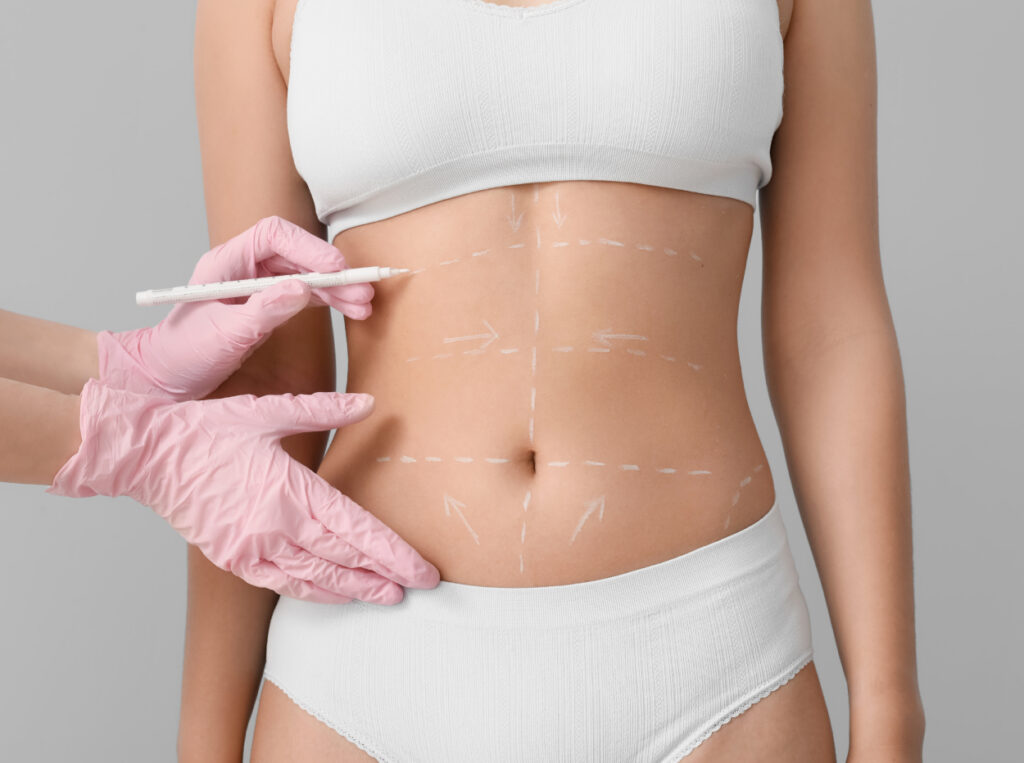


Body contouring attracts attention for obvious reasons. People want visible change, and they want it in areas that often resist diet and exercise. The abdomen after pregnancy, the flanks after significant weight loss, the upper arms that never seem to tighten, the fullness under the chin that shows up in every photo, these are common concerns. What is less obvious, and much more important, is how much the outcome depends on judgment rather than equipment alone.
That is where expert guidance matters. The best body contouring results rarely come from chasing a trend or booking the first treatment with a catchy name. They come from careful assessment, realistic planning, and a provider who understands anatomy, skin quality, healing, and the difference between what a patient wants and what a treatment can actually deliver.
For anyone exploring Body Contouring Farmington Hills, this distinction is not a minor detail. It is often the difference between a result that looks balanced and natural, and one that leaves the patient disappointed, overtreated, or still searching for answers months later.
Body contouring is not one treatment
The term sounds simple, but body contouring covers a wide range of approaches. Some are noninvasive and rely on energy, cooling, or injectable technology to reduce fat or tighten tissue over time. Others are minimally invasive. Still others are surgical and designed for more dramatic reshaping. These options are not interchangeable.
A patient may say, “I want my stomach flatter,” but the real issue could be one of several things. It might be subcutaneous fat. It might be loose skin. It might be separation of the abdominal muscles after pregnancy. It might be a combination of all three. A machine that reduces a small amount of fat will not fix skin laxity. Skin tightening will not repair muscle separation. Liposuction can remove fat effectively, but it does not always improve crepey skin, and in the wrong candidate it can make contour irregularities more noticeable.
That is why a thoughtful consultation matters so much. Expert guidance starts with identifying the true problem, not just the area the patient points to in the mirror.
In practice, this is where many frustrations begin. A person sees before and after photos online, finds a treatment with a compelling promise, and assumes their own body will respond the same way. But bodies vary. So do goals, medical histories, skin thickness, scar tendencies, and tolerance for downtime. An experienced provider knows how to sort through those variables before recommending anything.
Good candidates are defined by more than weight
One of the most persistent misconceptions around body contouring is that it functions like a weight-loss procedure. It does not. Most body contouring treatments are best suited for people who are already fairly close to their stable weight and want to improve shape, proportion, or stubborn localized fullness.
Two people can weigh exactly the same and require completely different recommendations. One may have firm skin and a small pocket of fat at the lower abdomen. Another may have major skin laxity following a 70-pound weight loss. On paper, their concern sounds similar. In reality, the best treatment path may be completely different.
Experienced clinicians pay close attention to details that many patients do not initially think about. They evaluate whether the skin recoils when pinched. They note where the fat sits and how thick the layer is. They look at muscle tone, posture, asymmetry, old scars, and how the body moves. They ask about pregnancies, prior procedures, and whether the patient’s weight has been stable for several months or longer.
These details shape the treatment plan. They also shape the conversation about expectations. One of the most valuable things an expert can say is, “This treatment can help, but it will not do everything you are hoping for.” That kind of honesty protects the patient.
Why expert assessment changes the outcome
Body contouring is often marketed with polished simplicity. The real work is nuanced. Expert guidance is not just about technical skill on treatment day. It begins with patient selection and carries through every stage, from planning to aftercare.
A skilled provider knows when less is more. Treating too aggressively can create unevenness, prolonged swelling, or a “worked on” appearance that patients usually want to avoid. On the other hand, under-treating someone to fit a safer but ineffective plan can leave them spending time and money on very little visible improvement.
This is especially relevant in areas where contour transitions matter. The body is not a collection of isolated zones. The waist flows into the hips, the arms relate to the shoulders, and the lower face blends into the neck. When a provider understands proportion, the result tends to look harmonious rather than spot-corrected.
Patients often focus on a single area, but experienced practitioners think in three dimensions. For example, someone bothered by lower abdominal fullness may benefit from treatment to the flanks as well, because shaping the surrounding areas can improve the entire silhouette. Another patient may request fat reduction under the chin, when in fact they have significant skin laxity and would see a more meaningful result from a tightening approach or a different type of procedure entirely.
This kind of pattern recognition is learned over time. It comes from seeing how bodies heal, where swelling lingers, which tissues respond well, and which promises tend to disappoint in the real world.
The consultation should feel specific, not scripted
A high-quality consultation is rarely rushed. It should feel tailored to the patient sitting in the room. Generic language is a warning sign. So is a recommendation that arrives before the provider has evaluated the body carefully or asked meaningful questions.
A strong consultation usually covers medical history, medications, prior surgeries, lifestyle factors, and the patient’s timeline. It also includes an honest discussion https://connermclf842.zenbloomer.com/posts/body-contouring-farmington-hills-what-to-know-about-treatment-safety of what bothers the patient most, because priorities vary. One person wants a smoother fit in tailored clothing. Another wants to feel more comfortable in a swimsuit. Another cares less about measurements and more about the side profile in photographs.
Those differences matter. The right treatment is not chosen in a vacuum. It is chosen in the context of the patient’s goals, tolerance for downtime, budget, and willingness to wait for gradual results if a noninvasive option is selected.
In conversations about Body Contouring Farmington Hills, one of the most important signs of expertise is whether the provider explains why a recommendation fits the patient’s anatomy, rather than simply describing what a device is designed to do. The treatment name is secondary. The reasoning is what matters.
The role of skin quality, often underestimated
If there is one factor that patients routinely undervalue, it is skin. Fat reduction gets the attention, but skin quality often determines whether a contour looks refined at the end.
Picture two patients with similar abdominal fullness. The first has elastic skin that rebounds well. The second has lax, thinned skin with stretch marks from prior pregnancies. Even if both undergo fat reduction, their visible outcomes may differ substantially. The first may look smoother and tighter. The second may see some improvement in fullness but still feel bothered by looseness.
This is not a failure of treatment. It is a difference in tissue quality.
Experienced providers address this upfront. They may recommend combining approaches, staging treatment over time, or considering a surgical option when noninvasive methods would only offer modest benefit. That can be a difficult conversation, especially when the patient hoped for a simpler route. Still, it is better to be realistic than to promise a result that anatomy will not support.
Skin quality also affects healing. Swelling, firmness, temporary numbness, and uneven early texture can all be part of recovery depending on the treatment used. A provider with experience knows what is normal, what will settle, and when a follow-up intervention might be useful.
Safety lives in the details
Most patients naturally focus on appearance. Professionals focus on safety just as much.
Expert guidance means understanding contraindications, knowing which patients need medical clearance, identifying when expectations are unstable, and recognizing when a concern should not be treated cosmetically at all. It also means setting up recovery properly. Compression garments, activity restrictions, hydration, scar care, and follow-up timing all affect the final result more than many people realize.
In body contouring, poor planning often shows up later. A patient returns weeks after treatment upset about asymmetry that was present before the procedure but never documented. Another is frustrated by swelling because no one explained the timeline clearly. Another expected dramatic change from a treatment that generally produces subtle to moderate improvement.
These issues are preventable when evaluation and counseling are done well. Expert providers do not just perform the treatment. They manage the entire process.
Not every popular treatment is right for every body
Trends move quickly in aesthetics. A treatment can dominate social media one year and quietly lose favor the next as real-world limitations become clearer. This is one reason local reputation and individualized care matter more than hype.
An experienced clinician is rarely attached to one technology as the answer for everyone. They understand the strengths and limits of different options. They know which methods are best for small localized fat deposits, which help more with skin laxity, which require multiple sessions, and which are better reserved for patients seeking a stronger correction.
Here are a few signs that guidance is grounded in expertise rather than marketing:
- The provider explains what the treatment cannot do, not just what it may improve.
- They discuss whether your concern is mostly fat, skin, muscle, or a mix.
- They give a realistic timeline for visible change and final results.
- They describe recovery in plain terms, including swelling, soreness, and follow-up needs.
- They are willing to say a different procedure, or no procedure, would serve you better.
That level of clarity may feel less exciting in the moment, but it usually leads to better decisions.
Realistic expectations are part of good care
The patients happiest with body contouring are not necessarily the ones who had the most dramatic transformation. They are often the ones who understood the likely outcome before treatment started.
A realistic goal might be a smoother waistline in fitted clothes, a more defined jawline on video calls, or a reduction in a bulge that has been frustrating for years. These are meaningful improvements. They are also very different from expecting an entirely new body shape after one appointment.
This is especially important with noninvasive treatments. Many can produce visible change, but the change may develop gradually over weeks or months, and the effect is often moderate rather than dramatic. Patients who understand this are far more likely to feel satisfied. Patients who expect surgery-level results from a lunch-hour treatment often feel let down.
Expert guidance includes calibrating those expectations with care. That does not mean being dismissive. It means translating clinical reality into terms the patient can use to make a smart decision.
A provider might say, for instance, that a treatment could improve flank fullness enough to change how a pair of pants fits, but not enough to create a sharply sculpted waist if the patient also has significant skin laxity. That is specific, understandable, and useful.
Combination planning often produces the best result
Some of the strongest results in body contouring come from layered planning rather than a single procedure. A patient may need fat reduction in one area, skin tightening in another, and time in between to allow tissues to settle. Another may benefit from starting with lifestyle stabilization if weight is still fluctuating, then revisiting contouring a few months later.
This is another place where experience matters. Combination plans require sequencing. If done poorly, they can create confusion, prolonged downtime, or unnecessary cost. If done thoughtfully, they can address the actual problem instead of chasing it in pieces.
The sequencing might be based on healing patterns, expected swelling, or how one treatment changes the need for another. That kind of planning is difficult to do well without significant clinical judgment. It also depends on patience. Not every problem should be solved all at once.
The local factor matters more than people think
Patients often search broadly online and assume the main difference between providers is price. In reality, local expertise can make a substantial difference. Choosing someone experienced in Body Contouring Farmington Hills offers practical advantages that go beyond convenience.
Follow-up is easier when your provider is nearby. That matters because body contouring is not always a one-visit relationship. Swelling may need to be checked. Progress photos may help guide additional planning. Questions may arise during recovery. If a patient is unhappy or unsure about what they are seeing, timely access to the treating team is invaluable.
There is also value in selecting a practice that understands the local patient population, common expectations, and the importance of continuity. Good aesthetic care tends to be relationship-based. A provider who sees you over time can track how your body responds, recommend maintenance when appropriate, and help you avoid unnecessary treatment.
Questions worth asking before you commit
Patients do not need to become technical experts, but they should feel comfortable asking direct questions. A reputable provider will welcome them.
- What is causing the contour issue in my case, fat, skin laxity, muscle separation, or a combination?
- What result is realistic for me, and what will this treatment not change?
- How many sessions or stages might I need, and how long until I can judge the outcome?
- What is the recovery actually like for most patients you treat?
- If I am not a strong candidate for this option, what would you recommend instead?
Notice that none of these questions are about slogans or trend names. They are about fit, limitations, and planning. That is where sound decisions are made.
Cost should be weighed against value, not just price
It is understandable to compare pricing. Body contouring can represent a meaningful financial commitment, especially when multiple sessions are involved. Still, a lower price is not always a better value if the treatment is poorly matched to the patient.
An ineffective but inexpensive treatment is still expensive if it produces little change. A bargain procedure that leads to dissatisfaction, added corrective care, or wasted time can cost more in the long run than choosing a more qualified provider from the start.
Value comes from appropriate treatment selection, safe execution, clear communication, and a result that aligns with the patient’s goals. Those things are harder to measure than a promotional rate, but they are what determine whether the experience feels worthwhile.
This is not an argument for the highest price. It is an argument for discernment. Patients deserve to understand what they are paying for, how likely the plan is to meet their goals, and what support exists if recovery raises questions.
When the best advice is to wait
One of the clearest signs of professionalism is a willingness to delay treatment when timing is wrong.
If someone has recently lost a substantial amount of weight, it may be wise to wait until their weight stabilizes. If they are planning pregnancy, some contouring decisions may make more sense afterward. If a patient is only a few months postpartum, the body may still be changing. If expectations are being driven by a short-term event rather than a long-term goal, a pause can be helpful.
Waiting is not a failure to act. It is often a strategic decision that protects the eventual outcome.
Expert guidance is not about selling momentum. It is about choosing the right moment, the right method, and the right scope of treatment. That mindset is especially important in aesthetics, where impulse can easily outrun judgment.
What patients usually remember afterward
Long after they forget the name of the device or the details of the appointment, patients tend to remember how well they were guided. They remember whether someone listened carefully. They remember whether expectations were handled honestly. They remember whether the result looked like an improved version of themselves rather than a visible intervention.
That is the standard worth aiming for. In body contouring, technical tools matter. Experience matters more. Judgment matters most.
For people considering Body Contouring Farmington Hills, expert guidance is not an extra. It is the foundation of a safe plan, a realistic process, and a result that makes sense for the body you actually have. When that guidance is present from the beginning, every decision that follows gets better.
Aesthetic Plastic Surgery & Laser Center, Michelle Hardaway M.D.
Address: 27920 Orchard Lake Rd, Farmington Hills, MI 48334
Phone number: +12482211957
FAQ About Body Contouring Farmington Hills
What does body contouring actually do?
Body contouring (or body sculpting) eliminates stubborn localized fat, tightens loose, sagging skin, and reshapes your silhouette. It is not a weight-loss tool, but rather a cosmetic procedure used to refine and tone specific trouble spots after major weight loss, pregnancy, or aging.
How much does body contouring usually cost?
The total cost of body contouring usually ranges from $2,000 to $25,000+ depending entirely on whether you choose non-surgical sessions or major surgical procedures.
Because "body contouring" covers everything from simple fat-freezing to comprehensive post-weight-loss surgeries, pricing is heavily categorized by the method used.
What is the best type of body contouring?
Liposuction is a huge topic and worth discussing in more detail, but in terms of body contouring and sculpting, nothing does the job better than liposuction, particularly VASER liposuction.