Can Liposuction Farmington Hills Treat Multiple Areas at Once?
@zioneeuc783
November 18, 2026 · 14 min read
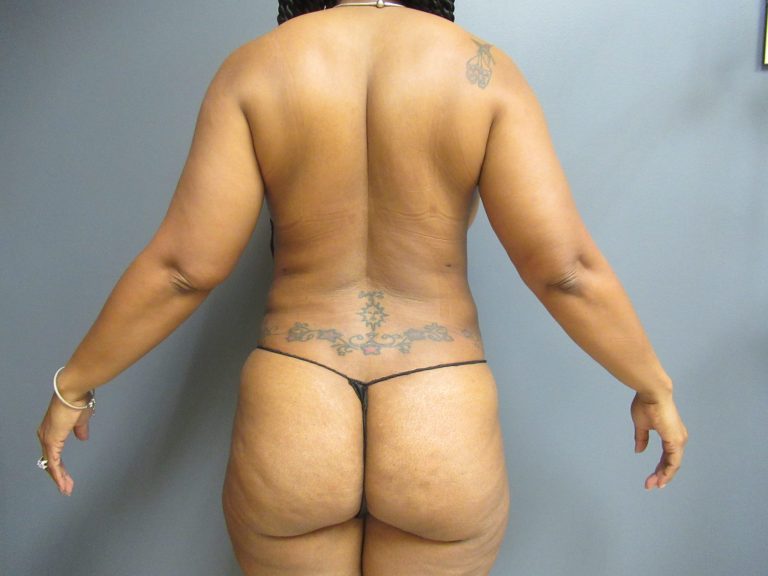
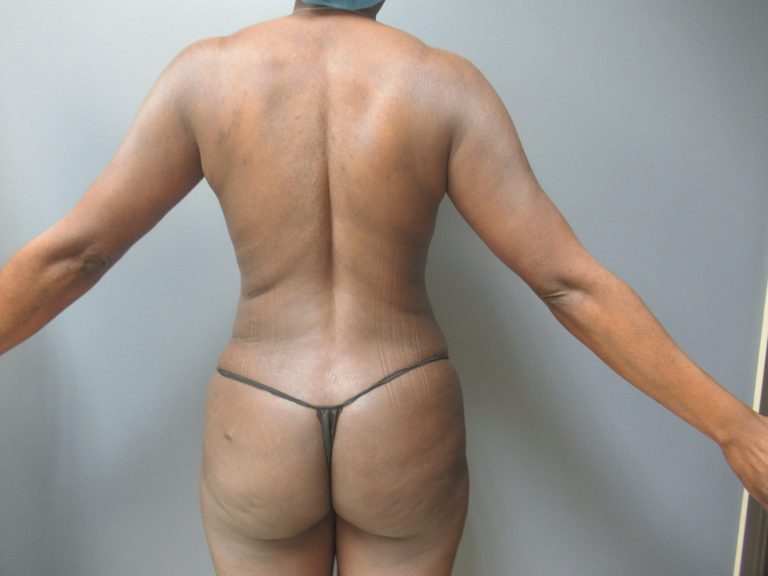
For many patients, the real question is not whether liposuction can help, but whether it can address the whole pattern they see in the mirror. A person may be frustrated by fullness in the abdomen, then notice that the flanks throw off the waistline, or that the outer thighs make clothing fit unevenly. It is common for fat distribution to collect in more than one area, which is why this question comes up so often during consultation: can liposuction treat multiple areas in a single procedure?
The short answer is yes, in many cases it can. Liposuction is often performed on more than one body area during the same surgical session. That said, the right answer depends on much more than patient preference. Safety comes first, and the best plan balances surgical time, total volume removed, skin quality, healing capacity, and the overall goals of contouring. In practice, combining areas can be efficient and effective, but not every patient should treat every concern at once.
When people search for Liposuction Farmington Hills, they are often looking for practical clarity, not marketing language. They want to know whether a surgeon can reshape the waist, abdomen, thighs, arms, or chin in one operation, what the trade-offs are, and what recovery actually feels like afterward. Those are the right questions to ask.
Why treating multiple areas often makes sense
Body contouring rarely exists in isolation. If a surgeon reduces fullness only in the central abdomen but leaves the flanks untouched, the result may look incomplete. The same is true for thighs. Inner thighs may improve with liposuction, but if the outer thighs or the area beneath the buttock remain disproportionate, the overall contour may still feel unbalanced.
Experienced surgeons think in terms of silhouette, not isolated pockets. The body is a set of transitions. The waist blends into the hips. The lower abdomen relates to the upper abdomen. The submental area beneath the chin affects the jawline and neck. Good contouring respects those relationships.
This is one reason multiple-area liposuction can produce a more harmonious result than treating a single zone alone. Instead of chasing one stubborn bulge, the procedure can refine an entire region. In real consultations, patients often arrive asking about one area and leave understanding that a neighboring area contributes just as much to what bothers them. A small amount removed from two or three places can sometimes create a better visual improvement than a more aggressive approach in one place.
The areas most commonly combined
Some combinations are especially common because they work together aesthetically. Abdomen and flanks are probably the most frequent pairing. When both are treated, the waistline usually looks more natural from the front and from a three-quarter angle. Upper and lower abdomen may also be addressed together, since fat often does not respect neat boundaries.
Thigh contouring is another category where combination treatment is common. A patient may have fullness in the outer thighs and inner thighs, with entirely different goals for each. Outer thigh treatment may aim to smooth the hip line, while inner thigh treatment may reduce chafing and create more space between the legs. Arms and bra-line fullness are sometimes combined for patients who want a better fit in fitted tops or dresses.
Smaller zones can also be added Liposuction Farmington HIlls strategically. Chin liposuction may be combined with body liposuction in selected cases, although not always. The limiting factor is not whether the area can technically be treated, but whether adding it keeps the procedure within safe and reasonable limits.
What determines whether it can be done safely
The number of areas matters less than the total surgical demand. Five very small areas are not necessarily more intense than two large ones. Surgeons look at the whole picture, including the patient’s health, the expected aspirate volume, the length of anesthesia, blood loss considerations, and whether the patient is likely to recover well from a combined procedure.
In most modern practices, candidacy starts with baseline health. A healthy nonsmoker with stable weight, no major heart or lung issues, and realistic expectations is usually in a better position for multi-area liposuction than someone with poorly controlled diabetes, significant medical comorbidities, or impaired circulation. Skin quality also matters. Liposuction removes fat, but the skin still has to contract afterward. If elasticity is poor, especially after major weight loss or pregnancy, treating many areas at once may not create the smooth result a patient imagines.
Surgical time deserves special attention. Every added area increases complexity. Even if each additional zone seems minor, procedure length can grow quickly. Longer operations can raise risk, increase swelling, and make recovery more demanding. That does not mean multi-area treatment is unsafe by definition. It means there is a threshold where combining everything stops being wise.
When discussing Liposuction Farmington Hills with a board-certified surgeon, patients should expect a conversation about safe limits rather than broad promises. Responsible planning sounds measured. It includes phrases like “we can likely address these areas together” or “it would be better to stage this in two procedures” rather than a blanket yes to every request.
There is a difference between possible and advisable
This distinction matters. Technically, several areas can often be suctioned during one operation. Advisable means the treatment plan serves the patient’s long-term outcome, not just their wish to “get it all done” in one day.
A good example is the patient who wants abdomen, flanks, inner thighs, outer thighs, knees, arms, and chin all at once. In theory, many of those areas are treatable with liposuction. In practice, that much work may create too much operative time and too difficult a recovery. Compression becomes more cumbersome. Mobility is more limited in the first week. Swelling can be dramatic. Evaluating the final contour becomes harder because every region is healing simultaneously.
There is also the question of precision. Liposuction is not simply vacuuming fat. It is contour sculpture. The more ambitious the treatment plan, the easier it becomes to lose finesse through fatigue, swelling during surgery, and the challenge of positioning the patient safely. Sometimes the better artistic result comes from focusing on fewer areas.
Patients are often surprised to hear a surgeon recommend doing less in the first stage. That recommendation is usually a sign of judgment, not hesitation.
How surgeons decide which areas should be grouped
The best combinations tend to share one of two qualities. They either belong to the same visual unit, like abdomen and flanks, or they can be treated together without creating an excessive recovery burden.
A Liposuction Farmington HIlls patient with moderate fullness in the upper and lower abdomen plus the flanks is a classic one-stage candidate if health and operative limits allow. The reason is straightforward. These areas frame the waist. Treating them together tends to produce a cohesive result, and the recovery process overlaps naturally because the compression garment and swelling pattern are similar.
By contrast, combining circumferential thigh contouring with extensive arm contouring may be less attractive, not because it cannot be done, but because daily life becomes awkward after surgery. Sitting, walking, dressing, reaching, and sleeping comfortably may all be more difficult at the same time. The procedure plan should account for what the first ten days will actually feel like, not just what the body map looks like on paper.
The role of volume, not just area count
Patients often ask, “How many areas can be treated?” That sounds simple, but “areas” are not standardized units. One surgeon may describe the abdomen as one area, another may separate upper and lower abdomen, and another may count the flanks separately on each side. A more useful question is how much liposuction is planned overall.
Total fat removal is one of the factors tied to safety and recovery. State regulations, facility protocols, and physician judgment all influence what is appropriate. Because standards vary by setting and by patient, it is better to discuss ranges and principles than chase a universal number. More is not automatically better. Aggressive removal can lead to contour irregularities, prolonged drainage, increased swelling, and a less natural look.
This is where experience matters. Surgeons who perform liposuction regularly know when a patient will benefit from modest contouring across several regions rather than maximum extraction from one. They also recognize when the temptation to do “just a little more” begins to work against the result.
What patients often misunderstand about “problem areas”
Not every bulge is fat alone. Some concerns are caused by anatomy that liposuction cannot fully change. The lower abdomen may project because of muscle separation after pregnancy. The upper arms may have loose skin in addition to excess fat. The neck may look heavy because of deep tissue structure, skin laxity, or posture. Thigh shape may be influenced by pelvic width and muscle.
This matters because when multiple areas are treated at once, expectations can become inflated. A patient may assume that removing fat from five areas will create an entirely different frame. Liposuction can refine contour very effectively, but it does not restructure the skeleton, tighten separated abdominal muscles, or replace skin tightening surgery where skin excess is severe.
An honest consultation should sort out which areas are truly liposuction-responsive and which are better served by a different procedure, or by no procedure at all. Sometimes the best plan is liposuction in two or three carefully chosen zones and a decision to leave others alone.
Recovery from multi-area liposuction is different
Single-area liposuction can be straightforward to recover from. Multi-area treatment is still very manageable for many patients, but it is not the same experience. There is usually more swelling, more stiffness, and more fatigue. Compression garments may cover a larger portion of the body. Bruising can track into neighboring regions and look worse before it improves. Most patients are up and walking early, which is important, but they often move more slowly for several days.
The first week tends to feel tight rather than sharply painful. Soreness often resembles the aftermath of an intense workout, except more diffuse. If the abdomen and flanks are treated, bending and standing upright may take effort at first. If the thighs are included, getting in and out of a car can be awkward. If the arms are done too, simple tasks like washing hair become more noticeable.
Swelling also resolves on its own timeline. Patients sometimes assume that because everything was treated at once, everything will settle evenly. In reality, one area may sharpen quickly while another remains puffy for weeks or even months. That can create anxiety unless it is explained ahead of time.
A practical way to think about it is this:
- The more areas treated, the more logistics matter during recovery.
- Compression, hydration, light walking, and follow-up care become more important, not less.
- Early asymmetry or uneven swelling is common and usually temporary.
- Final contour takes patience, especially when several regions are healing together.
- Time off work may need to be longer than it would be for a smaller procedure.
These details are not meant to discourage patients. They simply reflect the difference between a limited procedure and a broader contouring plan.
When staging procedures is the smarter move
There are times when two separate procedures lead to a better overall result. Patients with many treatment goals, borderline skin elasticity, higher surgical risk, or a need for especially precise reshaping often benefit from staging. The first procedure may focus on the trunk, for example, and the second on thighs or arms after recovery.
Staging has advantages that people do not always appreciate at first. It shortens each operation. It can make anesthesia exposure more conservative. It allows the surgeon to evaluate how the skin contracts after the first round. It also gives the patient a chance to live with the change before deciding whether another area still bothers them enough to treat.
I have seen many patients become less interested in a second stage after the first procedure because the initial contour improvement changes how they see their body. The opposite can happen too. Once the waist is refined, thigh fullness may stand out more clearly, making a later focused procedure easier to plan. That kind of sequencing can produce a more thoughtful result than a one-day marathon.
The importance of skin quality
If there is one factor patients underestimate, it is skin. Liposuction removes volume, but skin determines the surface. Firm, elastic skin tends to drape and contract well after fat is reduced. Thin or lax skin may not. This becomes more important when multiple areas are involved because each treated region relies on its own healing response.
An abdomen that has stretched after pregnancies may still contain localized fat, but if there is significant loose skin or muscle separation, liposuction alone has limits. The same goes for the upper arms in patients who have lost a substantial amount of weight. Removing fat without addressing excess skin can trade fullness for looseness. That may still be worthwhile in some cases, but only if the patient understands the trade-off.
This is another reason why a consultation for Liposuction Farmington Hills should feel individualized. The decision is not simply, “Can I do abdomen, flanks, and thighs?” It is, “Will those specific areas on your body respond well enough to make a combined procedure worthwhile?”
A brief look at candidacy
The strongest candidates for multi-area liposuction tend to share a few characteristics:
- They are close to their stable, maintainable weight.
- They have localized fat deposits rather than generalized obesity.
- Their skin has at least moderate elasticity.
- They are healthy enough for surgery and committed to recovery instructions.
- Their expectations are focused on contour improvement, not scale changes.
Those points sound basic, but they make a major difference in satisfaction. Liposuction is a shaping procedure. It is not a substitute for weight loss, and it does not prevent future weight gain. Patients who understand that usually do best.
Questions worth asking during a consultation
The quality of the consultation often tells you as much as the before-and-after gallery. Patients should leave understanding not only what can be done, but why certain choices are being recommended.
Ask how the surgeon defines each treatment area and which areas truly need to be combined for balance. Ask whether your skin quality supports the plan. Ask what recovery will look like if all requested zones are treated together versus staged. Ask how compression works, when normal activity can resume, and what risks increase as more regions are added.
You should also ask a practical question that often gets overlooked: if one area is the top priority, which should it be? A good surgeon can usually identify the region most likely to create visible improvement. That answer helps when the ideal plan and the safe plan are not the same.
What a balanced result really looks like
The best liposuction does not announce itself. People may notice that clothes fit better, the waist looks cleaner, or the profile appears smoother, without being able to name exactly what changed. That kind of result usually comes from restraint and proportion.
Treating multiple areas can absolutely help achieve that. In many patients, it is the best way to get there. But successful multi-area liposuction is not about checking off as many zones as possible. It is about choosing the right combination, stopping at the right point, and respecting the body’s limits.
For someone exploring Liposuction Farmington Hills, the takeaway is straightforward. Yes, multiple areas can often be treated in one operation, and for the right candidate, that approach can create a more complete and satisfying contour. The real decision rests on health, anatomy, skin quality, operative scope, and the surgeon’s judgment. When those pieces line up, combining areas can be efficient and elegant. When they do not, staging is not a compromise. It is often the smarter path.
Aesthetic Plastic Surgery & Laser Center, Michelle Hardaway M.D.
27920 Orchard Lake Rd
Farmington Hills, MI 48334
(248) 221-1957
FAQ About Liposuction Farmington Hills
What disqualifies you from getting liposuction in Farmington Hills?
A surgeon may recommend postponing or avoiding liposuction if a health condition, medication, or nicotine use raises the risk of surgery or poor healing. A consultation is needed to assess your medical history and whether the procedure fits your goals.
Can liposuction remove 20 pounds?
Liposuction is a body contouring procedure for localized fat. It is not a weight loss treatment, and a specific number of pounds is not a safe or useful target. The surgeon determines how much can be removed safely for each patient.
What are the risks of liposuction?
Risks include infection, changes in sensation, uneven contours, and complications from anesthesia or blood clots. A plastic surgeon can explain which risks apply to you and what to expect during recovery.