How Exercise Supports Results After Liposuction Farmington Hills
@zioneeuc783
November 18, 2026 · 15 min read
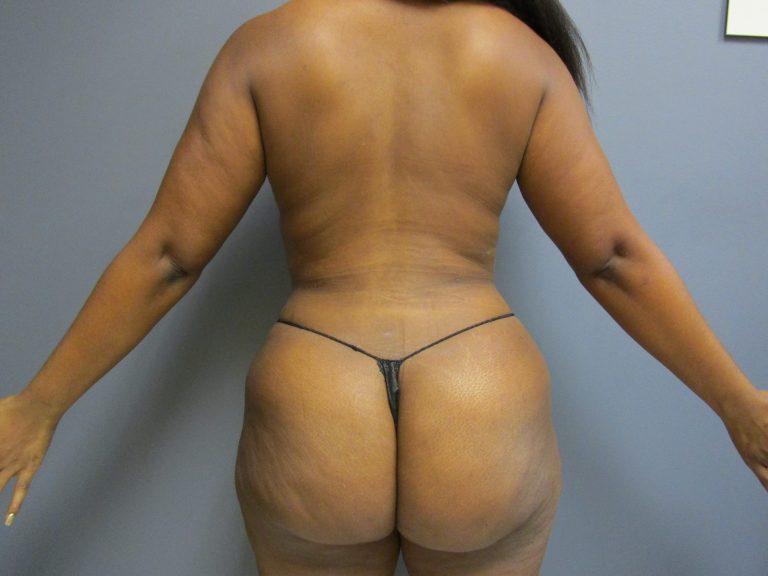
Liposuction can create a meaningful change in body contour, but it does not finish the job on its own. Patients often come in hoping the procedure will remove stubborn fullness in areas that have resisted diet and gym time for years. That is a reasonable goal. What liposuction cannot do is replace the daily habits that help the body stay strong, metabolically active, and stable over time. Exercise matters after surgery not because it punishes the body into keeping results, but because it supports circulation, muscle tone, energy use, posture, and long-term weight maintenance.
In practices that offer liposuction in suburban communities like Farmington Hills, this question comes up constantly: if fat cells are removed, why does exercise still matter so much? The short answer is that the body is always adapting. Liposuction reduces fat in targeted areas, but it does not make a person immune to future weight gain, nor does it build muscle, improve conditioning, or shape the way someone moves through daily life. Exercise helps protect the investment by improving the very systems that surgery does not address.
Patients often notice this in a practical way. The procedure may flatten the lower abdomen or slim the flanks, yet clothes still fit better when the person stands taller, keeps their core engaged, and has enough strength to move comfortably. Those changes come from activity, not from the operating room. The best outcomes tend to happen when the procedure and the lifestyle work together.
What liposuction changes, and what it does not
It helps to be precise here. Liposuction removes fat deposits from specific areas, often the abdomen, waist, thighs, back, arms, or under the chin. It is a contouring procedure, not a treatment for general obesity. Patients with good skin elasticity and a relatively stable weight usually see the clearest result because the skin can contract more effectively over the newly sculpted area.
What stays the same is just as important. Your baseline metabolism is still your metabolism. Your muscles are still the structures underneath the contour. Your cardiovascular fitness does not improve because fat was removed. If you were inactive before surgery, the procedure does not suddenly create endurance, flexibility, or core stability. That is where exercise earns its place.
There is also the matter of proportionality. If someone gains a noticeable amount of weight after liposuction, the body can still store fat. The treated area may gain less relative fullness than before, but weight gain can still affect overall shape, including untreated areas. Patients are often surprised by this. They assume the sculpted region will look exactly the same years later regardless of lifestyle. Real life is more nuanced. Good habits preserve the result better, and exercise is one of the strongest habits in that equation.
The recovery period is not the time to rush
The role of exercise begins carefully. Right after surgery, the priority is healing. Swelling, bruising, fluid shifts, and tenderness are normal parts of recovery. Compression garments, hydration, sleep, and light walking usually matter more in the first phase than any formal workout.
This is where judgment matters. Some motivated patients want to “bounce back” quickly and return to intense training too soon. That usually backfires. Overdoing activity in the early days can increase swelling, aggravate soreness, and leave the patient feeling discouraged. The body heals on a schedule that cannot be bullied.
Most surgeons recommend gentle walking soon after the procedure, often within a day or two, depending on the case. That walking is not about calorie burn. It is about circulation, reducing stiffness, and helping the body reestablish normal movement patterns. A slow walk around the house or down the block may not feel impressive, but it serves a real purpose. Later, once the surgeon clears the patient, more structured exercise can return in stages.
Anyone considering Liposuction Farmington Hills should expect this conversation as part of postoperative planning. The best practices do not just discuss the surgery itself. They also coach patients on how to reintroduce movement in a way that supports healing rather than competes with it.
Why movement improves the quality of healing
There is a tendency to think of exercise only in terms of fat loss, but after liposuction its first value is often more basic. Gentle movement improves blood flow. Better circulation supports tissue recovery. It also helps patients avoid the sluggish, swollen feeling that can set in after several sedentary days.
Movement can also improve the patient’s sense of body awareness. After surgery, the treated area may feel different for a while, sometimes firmer, numb in patches, or simply unfamiliar. Light activity reconnects the person with normal posture and gait. A patient who walks regularly during recovery usually feels more like themselves sooner than one who spends long stretches immobile.
This does not mean every ache should be ignored. Sharp pain, asymmetrical swelling, or unusual symptoms belong in a call to the surgeon, not in a fitness plan. Still, routine, low-intensity movement is often one of the least glamorous and most valuable parts of a smooth recovery.
Exercise helps maintain a stable body weight
Once a patient is medically cleared for fuller activity, exercise becomes important for the most obvious reason: long-term weight control. Weight stability is one of the strongest predictors of durable liposuction results. You do not need to become a marathon runner or live in a gym to maintain your contour, but you do need enough regular movement to support energy balance over months and years.
The challenge is that many adults gradually regain weight not because of one dramatic lapse, but because of small shifts. A desk job becomes more demanding. Step counts drop. Strength sessions become occasional instead of consistent. Evening snacking picks up. Ten pounds can return quietly. If the person had liposuction in the abdomen and flanks, those pounds may show up in a somewhat different distribution than before, but they still affect shape.
Exercise acts like a stabilizer. It raises daily energy expenditure, helps preserve lean muscle mass, and often improves food choices indirectly. People who move regularly tend to sleep better and regulate appetite more consistently. That combination matters more than any short burst of “getting back on track.”
I have seen patients do very well with surprisingly moderate routines. A woman in her forties who walked briskly five days a week and did basic resistance training twice weekly held her abdominal liposuction results beautifully for years. Another patient relied on the surgery itself, resumed a mostly sedentary schedule, and assumed occasional dieting would be enough. Within a year, his shape had softened considerably. The difference was not willpower in the abstract. It was the steady presence or absence of movement.
Muscle tone changes how results look
This point is often underestimated. Liposuction removes volume, but exercise shapes the frame underneath that volume. A flatter midsection looks even better when the trunk is strong. A slimmer thigh has more definition when the glutes and legs are conditioned. Arms that have been treated can appear more athletic when the shoulders and upper back are trained.
That is why two patients can have similar procedures and heal well, yet their final impressions differ. One looks merely smaller. The other looks fitter, stronger, and more balanced. Surgery may create a cleaner outline, but muscle gives that outline character.
Strength training deserves special attention here. Many people, especially women, still worry that resistance exercise will make them bulky. In reality, most recreational strength programs create firmness and support rather than oversized muscles. They improve posture, reduce the soft, undertrained look that can persist even at lower body fat levels, and help the body resist age-related muscle loss. For patients over forty, that becomes especially relevant. Liposuction can refine contour at any age in the right candidate, but resistance exercise is what keeps the body from looking deflated or fragile later.
The most effective exercise plan is usually the least dramatic one
After recovery, the patients who keep their results tend to follow routines they can live with. The body responds to consistency better than intensity spikes. A punishing boot camp that lasts three weeks does less for long-term shape than a year of moderate cardio, strength work, and an active daily rhythm.
A practical exercise mix often includes:
- Walking or other low-impact cardio several times per week
- Resistance training two to four times weekly
- Mobility work to keep joints and posture moving well
- Gradual progression rather than sudden all-out effort
That does not mean everyone needs the same schedule. A former athlete may thrive with heavier lifting and interval training. A busy parent with knee discomfort may do better with incline treadmill walking, machine-based resistance work, and weekend bike rides. The right plan is the one that supports recovery, fits the person’s body, and can be repeated week after week.
If there is one mistake I see often, it is treating exercise after liposuction as a short-term correction instead of a permanent part of care. People tell themselves they just need to “tighten up” for a month. Bodies do not work that way. Long-term contour comes from repeated behavior, not motivational bursts.
Cardio and strength serve different purposes
Patients sometimes ask whether cardio or weights matter more after liposuction. It is a fair question, but it frames the issue too narrowly. Each does something different, and both have value.
Cardiovascular exercise helps with calorie expenditure, stamina, circulation, and heart health. It is often the easiest place to restart because walking, cycling, elliptical training, and swimming can be scaled gently. For someone who has had liposuction of the abdomen or thighs, low-impact cardio usually feels more manageable at first than high-impact classes.
Strength training preserves and builds lean mass, which supports metabolic health and visual tone. It also improves how the body carries itself. A strong upper back and core can change the silhouette of the torso almost as much as a small change on the scale. That matters for postoperative patients because the eye reads posture and muscle support immediately. People often say someone “looks better” without realizing the improvement comes partly from how they stand and move.
For many adults in Farmington Hills, weather and schedule affect adherence as much as motivation. Winter can disrupt outdoor activity, and long commutes or family obligations can make gym time Liposuction Farmington HIlls unpredictable. In those cases, home dumbbells, resistance bands, a walking pad, or a simple circuit in the basement can make the difference between staying active and gradually stopping.
Exercise also helps mentally, which affects results more than people expect
Body contouring procedures bring emotional changes along with physical ones. Some patients feel excited and energized after liposuction. Others feel impatient during swelling or oddly vulnerable as the body changes day by day. Exercise can support the psychological side of recovery by restoring routine and reinforcing a sense of agency.
That matters because lasting results are not just mechanical. They depend on whether the patient feels connected to their body in a healthy way. Regular activity improves mood, reduces stress, and often lowers the “all or nothing” thinking that undermines maintenance. A hard week at work feels less likely to spiral into skipped meals followed by overeating when movement remains part of the routine.
There is another subtle benefit. Exercise helps patients shift their mindset from appearance alone to function as well. They stop asking only, “How do I look?” and start asking, “How do I feel when I move?” That shift tends to produce better long-term behavior. People who value strength, stamina, and mobility usually stay more consistent than people chasing visual perfection alone.
Common mistakes after liposuction
A few patterns come up again and again in postoperative care. None of them are unusual, and all are preventable with clear expectations.
One mistake is returning to high-impact training too soon because the patient feels restless or fears losing progress. Another is waiting too long to restart any exercise at all, which often leads to deconditioning and sluggish weight regain. A third is focusing only on abdominal workouts after abdominal liposuction, as if endless crunches will preserve contour better than a balanced full-body routine. The body responds better to comprehensive training than to spot-focused effort.
Nutrition also intersects with exercise. A patient cannot out-train a steady calorie surplus with a few gym sessions per week. On the other hand, under-eating in an attempt to “protect” results can sap energy, reduce workout quality, and make recovery worse. The sweet spot is stable, protein-aware, reasonably structured eating paired with consistent movement.
Another common issue is comparing recovery speed to friends, social media posts, or old versions of oneself. One patient may return to the gym in a few weeks, while another needs longer due to the extent of the procedure, the areas treated, or individual healing patterns. Progress should be guided by the surgeon and by the body’s actual response, not by someone else’s highlight reel.
How patients can ease back into exercise safely
Most successful returns to activity follow a simple principle: earn the next level. Start with what the tissues can tolerate, then build slowly. If a patient can walk comfortably, they can increase duration before increasing intensity. If bodyweight movements feel stable, they can add resistance cautiously. If swelling spikes dramatically after a workout, that is useful feedback to scale back.
A sensible progression usually looks something like this:
- Short, frequent walks in the early recovery period
- Longer walks and gentle daily activity as swelling improves
- Low-impact cardio and light strength work after medical clearance
- Full training intensity only when the body tolerates it without prolonged soreness or increased swelling
This kind of patience is not a setback. It often produces better results because the patient stays consistent instead of cycling between overexertion and forced rest.
Anyone pursuing Liposuction Farmington Hills should ask very specific postoperative questions before surgery, not after. When can walking begin? When are compression garments worn during activity? When can lifting, running, yoga, or swimming resume? Clarity up front reduces anxiety and prevents guesswork later.
Age, hormonal shifts, and life stage all influence the equation
Exercise matters after liposuction at every age, but the reasons can change. A patient in their thirties may use it mainly to keep weight stable and sharpen muscle tone. A patient in their fifties may also be contending with sarcopenia, slower recovery, or hormonal changes that alter fat distribution. Someone post-menopause may notice that abdominal fullness returns more easily without resistance training and regular movement, even if eating habits remain fairly disciplined.
That does not make the procedure less worthwhile. It simply means maintenance deserves a realistic plan. Bodies become less forgiving with age, and activity grows more important, not less. The good news is that effective exercise does not have to be extreme. Two to three strength sessions weekly, daily walks, and some mobility work can go a long way.
I often tell patients to think in seasons, not in weeks. What can you keep doing in January when it gets dark early? What can you keep doing during holiday stress? What can you maintain when work gets busy or a child’s schedule takes over the evening? Those questions predict postoperative success far better than a burst of motivation right after surgery.
The real partnership between surgery and lifestyle
Liposuction can be a strong catalyst. It removes stubborn pockets that may not respond well to even disciplined efforts. For the right patient, that can create a cleaner body line, improve clothing fit, and restore confidence. Exercise then protects and amplifies that change. It helps maintain weight, preserve muscle, improve posture, support healing, and keep the overall physique looking balanced rather than simply reduced.
There is a practical honesty in that partnership. Surgery can refine shape, but it cannot replace the systems that keep a body healthy and stable. Exercise can improve fitness and body composition, but it cannot always erase localized fat deposits that have lingered for years. Together, though, they often work exceptionally well.
That is why the best conversations around Liposuction Farmington Hills are not just about what happens in the operating room. They are about what happens afterward, when swelling fades, normal life returns, and the patient begins the less glamorous but more important work of maintenance. The people who do best are rarely the most intense. They are usually the most consistent. They walk, they strengthen, they recover well, and they keep going.
A good result after liposuction is not frozen in time. It is supported day by day, choice by choice. Exercise is one of the clearest ways to keep that result looking natural, stable, and worth the effort it took to achieve.
Aesthetic Plastic Surgery & Laser Center, Michelle Hardaway M.D.
27920 Orchard Lake Rd
Farmington Hills, MI 48334
(248) 221-1957
FAQ About Liposuction Farmington Hills
What disqualifies you from getting liposuction in Farmington Hills?
A surgeon may recommend postponing or avoiding liposuction if a health condition, medication, or nicotine use raises the risk of surgery or poor healing. A consultation is needed to assess your medical history and whether the procedure fits your goals.
Can liposuction remove 20 pounds?
Liposuction is a body contouring procedure for localized fat. It is not a weight loss treatment, and a specific number of pounds is not a safe or useful target. The surgeon determines how much can be removed safely for each patient.
What are the risks of liposuction?
Risks include infection, changes in sensation, uneven contours, and complications from anesthesia or blood clots. A plastic surgeon can explain which risks apply to you and what to expect during recovery.