Liposuction Farmington Hills: A Modern Approach to Body Contouring
@zioneeuc783
November 18, 2026 · 15 min read
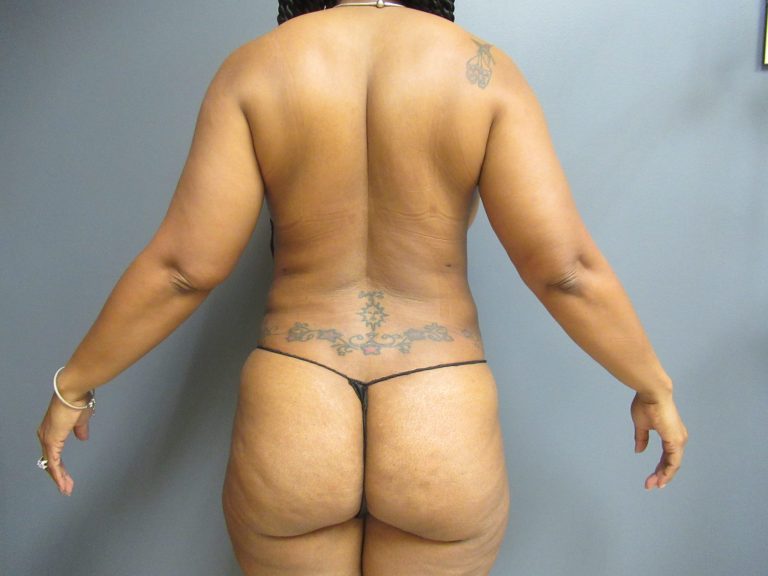
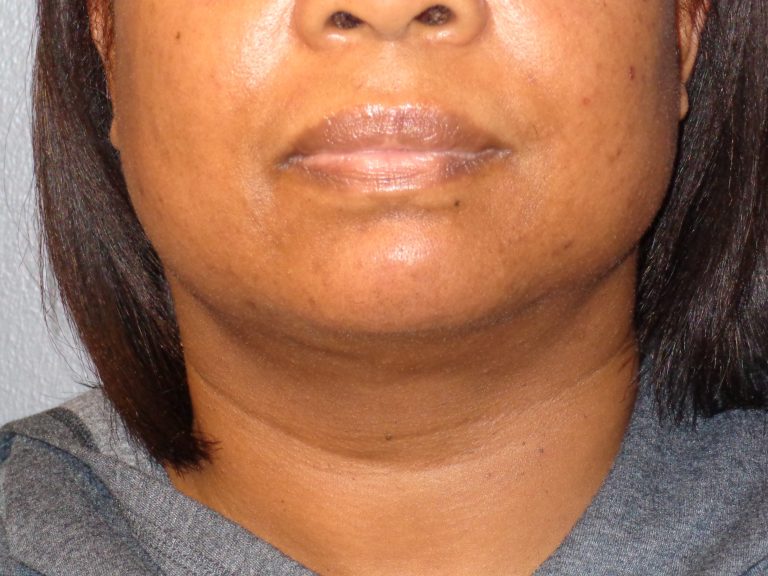
Body contouring has changed dramatically over the past two decades. What many people still picture is an older version of liposuction, one associated with large volume fat removal, lengthy recovery, and unrealistic expectations. That picture is outdated. Modern liposuction is more refined, more selective, and much more closely tied to proportion, skin quality, and overall shape. Patients are no longer asking to look like someone else. Most want to look like a more balanced version of themselves, especially in the areas where diet and exercise have reached a limit.
That is where the conversation around Liposuction Farmington Hills has become more nuanced. People exploring treatment today are often informed, busy, and practical. They want to know what can actually be improved, what recovery feels like in real life, and whether the result will still look natural six months or a year later. Those are the right questions. Liposuction can be an excellent tool, but only when it is used for the right problem and paired with sound surgical judgment.
The modern approach to body contouring is less about chasing a number on the scale and more about reshaping stubborn areas that resist lifestyle efforts. That distinction matters. Liposuction is not a substitute for weight loss. It is a sculpting procedure. In experienced hands, it can sharpen the waistline, reduce fullness under the chin, smooth the flanks, contour the thighs, and improve the relationship between adjacent body areas so clothing fits better and the body appears more balanced from multiple angles.
What liposuction actually does, and what it does not
Patients often arrive at a consultation with one of two assumptions. The first is that liposuction can remove any amount of fat from anywhere. The second is that it is only useful for very small touch-ups. Neither is quite right.
Liposuction removes localized fat deposits through a thin cannula inserted through small incisions. The surgeon targets specific zones, usually in layers, to reduce fullness and improve contour. It works best on areas where fat is out of proportion to the rest of the body. Common examples include the lower abdomen, love handles, outer thighs, upper arms, bra line, and submental area beneath the chin.
What it does not do is tighten significantly loose skin on its own. This is one of the most important judgment calls in body contouring. If someone has stretched skin from weight loss, pregnancy, aging, or hereditary skin laxity, removing fat without addressing the skin can leave them looking deflated rather than improved. In those cases, a lift, tuck, or combined approach may be more appropriate than liposuction alone.
There is also a psychological side to this distinction. The happiest patients are usually those who understand that contouring is about shape, not transformation into a completely different body type. I have seen patients thrilled by what seems modest on paper, perhaps a smoother lower abdomen and more defined waist, because the result changed how they felt in fitted clothing and how confidently they moved through the day. I have also seen disappointment when someone expected liposuction to erase loose skin, cellulite, or general weight concerns that the procedure was never designed to solve.
Why modern liposuction feels different from the older model
Techniques have evolved, and so has planning. Traditional liposuction focused heavily on volume. Contemporary body contouring focuses on precision. Surgeons now spend far more time analyzing transitions between areas, skin recoil, muscle tone beneath the fat, and how the body will look in motion, not just standing still in a mirror.
This shift matters because the eye notices proportion before it notices volume. A patient may only need a moderate reduction in the flanks and lower abdomen to create a noticeably more athletic silhouette. Another may benefit from careful treatment of the upper back and bra roll because those areas disrupt the line of clothing far more than the patient realized. Good contouring often comes from Liposuction Farmington HIlls restraint and planning, not maximum removal.
Technology has also expanded the discussion. Depending on the practice and the patient’s goals, treatment may involve traditional suction-assisted liposuction, power-assisted techniques, ultrasound-assisted methods, or energy-based devices used in selected cases. Each has advantages, but none replaces judgment. A tool is only as good as the plan behind it. In practical terms, patients should care less about whichever device has the flashiest name and more about whether the surgeon can explain why a particular approach fits their anatomy.
The best candidates tend to have a specific kind of frustration
Most strong candidates are already putting in some effort. They may work out consistently, eat reasonably well, and maintain a fairly stable weight, yet still notice areas that do not respond. That pattern is common. The body stores fat according to genetics, hormones, age, and sex, not simply effort.
A patient in their thirties may say their lower abdomen never flattened after pregnancy, even though the rest of their figure returned. Someone in their forties may notice thicker flanks and upper abdomen as metabolism shifts. Men often focus on the waist, lower abdomen, and chest area. Women frequently ask about the abdomen, outer thighs, inner thighs, arms, and under-chin fullness. These are not rare complaints or signs of failure. They are typical examples of how body fat distribution can be stubbornly independent of discipline.
Here are a few signs that someone may be a good candidate for liposuction:
- They are close to a stable, sustainable weight.
- They have localized fat deposits that have not improved with lifestyle changes.
- Their skin has enough elasticity to contract after fat removal.
- They are in generally good health and can recover safely.
- They have realistic goals centered on contour rather than major weight loss.
Even within that group, there are edge cases. A patient with mild skin laxity may still do well if the treated area is chosen carefully and expectations are honest. Another patient with excellent skin but diffuse overall weight concerns may not be satisfied because the issue is not a single contour problem. This is why consultation matters so much. Good selection is not a minor detail in liposuction. It is often the main determinant of whether the result feels worth it.
The consultation is where good outcomes begin
A thoughtful consultation should feel specific, not rushed. The surgeon should evaluate your goals, weight stability, prior surgeries, health history, and the quality of your skin and underlying tissues. They should also examine how one area affects another. For example, fullness in the lower abdomen may seem like the main concern, but after examination it may become clear that the flanks are doing more to widen the torso visually. Treating both areas often creates a better result than focusing on only one.
This is also the stage where patients need candor. If an abdomen has muscle separation after pregnancy, liposuction alone will not repair that. If skin hangs below the lower abdomen, removing fat may not improve the problem enough. If the thighs rub because of both fat and skin laxity, a more comprehensive plan may be needed. Experienced surgeons usually have no interest in overpromising because contouring mistakes are hard to hide and difficult to revise.
Patients considering Liposuction Farmington Hills should come prepared to discuss not only what they want reduced, but also what bothers them most in everyday life. Does a shirt pull across the midsection? Do pants fit in the hips but gap at the waist? Does the side profile feel thicker than the front view? These details sound ordinary, but they help translate a vague wish into a surgical plan.
Areas commonly treated, and why each behaves differently
Not all fat behaves the same way, and not all treatment zones recover the same way. The abdomen is often the first area people ask about, but even that region varies. Upper abdominal fullness can create a rounder silhouette, while lower abdominal fat may bulge over waistbands and feel impossible to flatten. The flanks often play a larger role than patients expect, because reducing them can make the waist appear more defined from both the front and the back.
The thighs require a different sensibility. Aggressive removal from the inner thighs can create irregularity or leave skin looking less smooth if elasticity is limited. Outer thigh contouring affects the hip line and can alter how dresses, slacks, and athletic wear sit on the body. Arms, another common concern, demand a conservative hand. Overresection can look unnatural, while undertreatment may not justify the procedure.
Submental liposuction beneath the chin is a category of its own. Even a relatively small amount of fat can blunt the jawline and make a person feel heavier in photographs than they are. When the skin and deeper neck structures are favorable, this area can respond beautifully. When laxity is the dominant issue, however, a more complete neck procedure may be needed.
In practice, good body contouring often comes down to respecting the anatomy of each region rather than applying the same formula everywhere.
Recovery is usually manageable, but it is not trivial
One reason liposuction remains popular is that recovery is often more straightforward than people fear. Still, there is a tendency to underestimate the process because the incisions are small. Small incisions do not mean a small procedure. Fat removal creates swelling, bruising, temporary firmness, and fatigue, and these take time to settle.
Most patients are up and walking quickly, often the same day, which is helpful for circulation and comfort. Soreness commonly feels more like intense muscle tenderness than sharp pain. Compression garments are typically part of the process and can make a major difference in swelling control and support, especially during the first few weeks. Desk work may be possible relatively soon for some patients, but physically demanding activity usually needs more patience.
The emotional arc of recovery also deserves mention. Early swelling can obscure the result and occasionally make people worry they look larger than expected. That phase is normal. Contour develops gradually. Some areas improve noticeably in a few weeks, while the finer definition may take several months. Patients who understand this tend to navigate recovery better than those expecting an instant reveal.
One practical example comes up often with abdominal contouring. Around week two or three, a patient may feel much better functionally, yet still notice uneven swelling above the waistband or firmness in the lower abdomen. That is not usually a sign of failure. It is part of the healing trajectory. Patience is not glamorous, but it is part of the bargain.
Results depend on both the surgery and what happens afterward
Liposuction permanently removes fat cells from the treated area, but that does not make the body immune to future change. Weight gain can still affect the result. Aging continues. Hormonal changes continue. Skin quality continues to evolve. The benefit is that body proportions often remain improved, especially when patients maintain a stable routine.
This is why surgeons frequently emphasize weight stability before the procedure. Someone who undergoes liposuction and then gains a meaningful amount of weight may notice enlargement in untreated areas or generalized softening of the contour. On the other hand, patients who stay within a stable range often enjoy their results for years.
There is a subtle but important point here. The best outcomes are not always the most dramatic in the operating room. Sometimes the best long-term result comes from measured reduction that preserves smoothness and natural transitions. An overly aggressive result can look sharp at first, then uneven as tissues settle. Under the right circumstances, less can be more.
Safety, judgment, and why the cheapest option is rarely the best one
Body contouring should never be reduced to price shopping alone. The procedure may be elective, but the standards should be medical. Proper candidacy assessment, safe operative planning, attention to fluid management, and realistic limits on how much to treat in one session all matter. These are not marketing points. They are part of responsible surgical care.
Patients occasionally assume that because liposuction is common, it is simple. Common does not mean casual. Even straightforward cases require attention to blood supply, tissue layers, symmetry, and postoperative monitoring. Combining too many areas or pushing beyond what is appropriate for the patient can increase recovery burden and reduce the quality of the final contour.
For that reason, a good consultation should include discussion of risks in plain language. Irregular contour, persistent swelling, asymmetry, numbness, fluid collections, pigment changes, scarring, and dissatisfaction with shape are all part of an honest consent conversation. Serious complications are uncommon in properly selected patients, but this is still surgery. Anyone who downplays that reality is not doing patients a favor.
How to evaluate a surgeon and a treatment plan
People often ask what they should look for during the decision process. The answer is partly credentials and partly communication. You want technical skill, but you also want someone who can explain the reasoning behind the plan and draw a clear line between what is possible and what is not.
A useful consultation should leave you with answers to a few core questions:
- Which areas are being treated, and why those areas rather than others?
- Is skin quality good enough for liposuction alone?
- What kind of recovery timeline is realistic for work, exercise, and swelling?
- What result is likely, and what limitations should be expected?
- If more than one option exists, why is this plan the preferred one?
Before-and-after photos can be helpful, but only when interpreted sensibly. Look for patients with body types and concerns similar to yours. Pay attention to smoothness, proportion, and natural appearance rather than only dramatic change. Also pay attention to whether the surgeon discusses contour in three dimensions. That usually signals a more sophisticated approach than talking only about how many liters are removed.
The local perspective in Farmington Hills
For patients researching Liposuction Farmington Hills, convenience and proximity often play a practical role, especially during recovery. Follow-up visits are easier when the office is nearby, and that matters more than people realize. Early postoperative checks, garment adjustments, swelling concerns, and simple peace of mind are all easier when travel is not a major chore.
Liposuction Farmington HIllsThere is also value in choosing a setting where the process feels organized and personal. Body contouring requires coordination before surgery, on the procedure day, and through the healing period. Patients do best when instructions are clear, staff are responsive, and expectations are reinforced consistently. The technical operation matters enormously, but the surrounding care shapes the experience more than many people expect.
Farmington Hills patients, like patients everywhere, tend to come in with busy schedules and practical priorities. They are often balancing work, family, and social obligations while trying to plan discreetly and realistically. A well-run practice recognizes that. It helps the patient think through timing, recovery support at home, time away from exercise, and what kind of swelling or bruising is reasonable to expect for the areas being treated.
When liposuction should be paired with something else
One of the biggest markers of an experienced approach is knowing when liposuction is not enough on its own. That does not mean liposuction is the wrong choice. It may mean it works best as one part of a more complete plan.
After pregnancy, for example, some patients have a combination of abdominal fat, loose skin, and muscle separation. Removing fat can help, but if the skin has stretched significantly and the abdominal wall has loosened, an abdominoplasty may address the core issue more effectively. The same idea applies after major weight loss, where excess skin can dominate the contour. In the neck, skin laxity and platysmal banding may limit what under-chin liposuction can achieve by itself.
This is where honest surgical judgment becomes obvious. A surgeon who recommends a more comprehensive procedure is not necessarily upselling. They may be protecting you from a result that would only partially solve the problem. At the same time, there are patients who truly do not need an additional operation and will do very well with liposuction alone. The key is matching the procedure to the anatomy, not forcing every patient into the same pathway.
The appeal of subtle change
Not every successful liposuction result is dramatic enough for strangers to identify. In fact, some of the best outcomes are noticed in indirect ways. Clothes skim better. Photographs look more like how the patient feels in person. A tucked-in shirt no longer highlights the exact area that has bothered them for years. They stand differently. They stop thinking about that body part every time they get dressed.
That subtlety is often the hallmark of good aesthetic work. The result should not look operated on. It should look coherent with the patient’s frame, age, and natural anatomy. Modern body contouring at its best is not about creating sharp, artificial definition where it does not belong. It is about reducing distractions so the body appears more proportionate and comfortable in its own lines.
For someone considering Liposuction Farmington Hills, that is perhaps the most useful mindset to bring into the process. Think less in terms of erasing every imperfection and more in terms of improving balance. The procedure is most satisfying when it solves a specific contour problem, respects the body’s structure, and produces a change that feels believable on day one and still looks right long after the swelling has passed.
Aesthetic Plastic Surgery & Laser Center, Michelle Hardaway M.D.
27920 Orchard Lake Rd
Farmington Hills, MI 48334
(248) 221-1957
FAQ About Liposuction Farmington Hills
What disqualifies you from getting liposuction in Farmington Hills?
A surgeon may recommend postponing or avoiding liposuction if a health condition, medication, or nicotine use raises the risk of surgery or poor healing. A consultation is needed to assess your medical history and whether the procedure fits your goals.
Can liposuction remove 20 pounds?
Liposuction is a body contouring procedure for localized fat. It is not a weight loss treatment, and a specific number of pounds is not a safe or useful target. The surgeon determines how much can be removed safely for each patient.
What are the risks of liposuction?
Risks include infection, changes in sensation, uneven contours, and complications from anesthesia or blood clots. A plastic surgeon can explain which risks apply to you and what to expect during recovery.