The Role of Aftercare in Liposuction Michigan Recovery
@zioneeuc783
October 21, 2026 · 15 min read
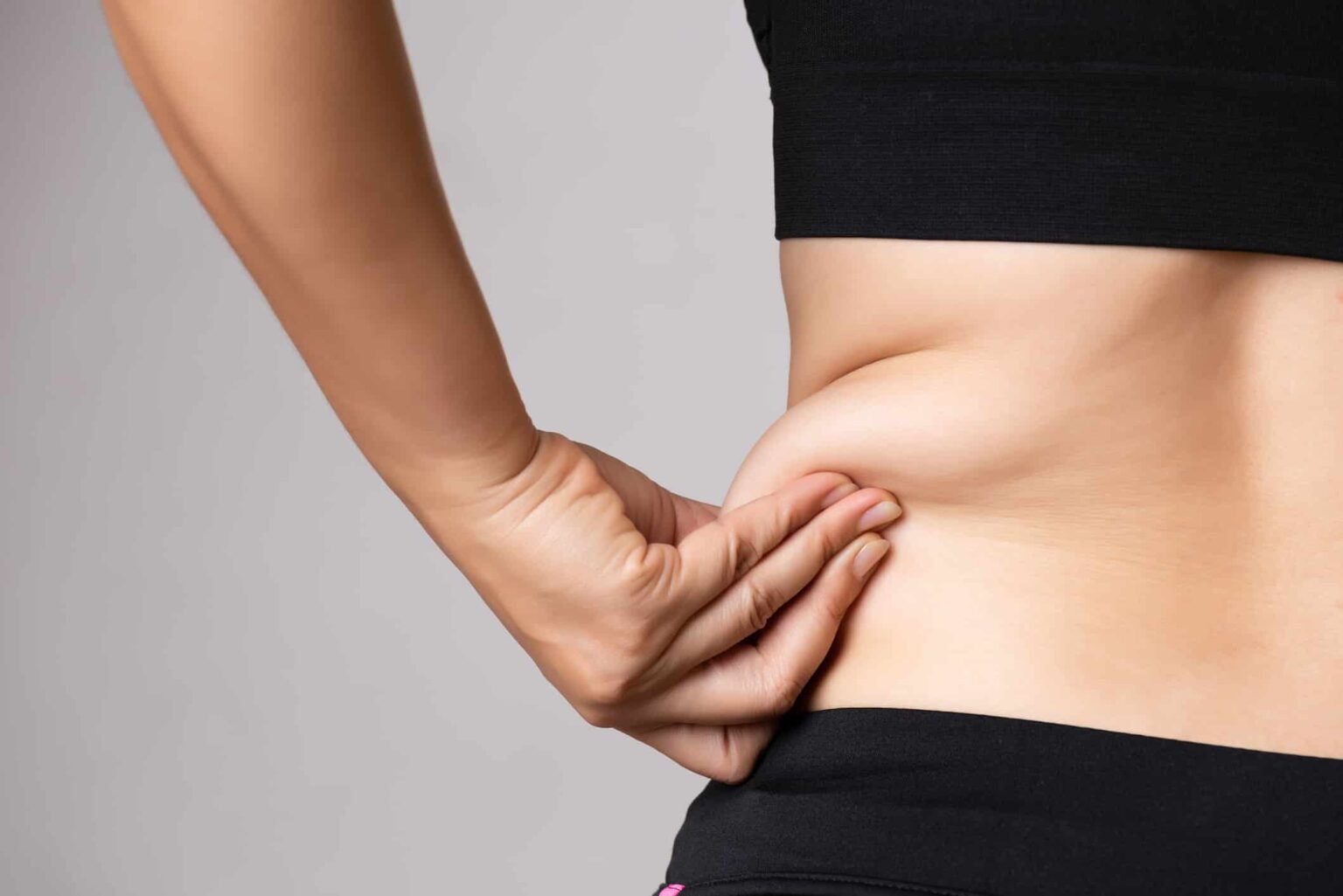
Liposuction can reshape areas that have not responded to diet and exercise, but the procedure itself is only part of the story. Recovery decides a great deal of the final result. In practice, the quality of aftercare often separates a smooth, predictable healing process from one marked by swelling, frustration, and unnecessary setbacks.
Patients tend to focus on the operating room because that is the most visible part of the experience. Yet once surgery is over, the body begins a long and highly active process. Tissues react to the procedure. Fluid shifts. Swelling rises and falls. Small internal healing changes continue for weeks and, in some cases, months. Good aftercare supports that process rather than working against it.
For anyone considering Liposuction Michigan patients often ask the same practical question: what actually makes recovery go well? The answer is rarely one dramatic factor. It is usually a series of steady, unglamorous choices. Wearing compression as directed. Walking when it is time to walk. Resting when it is time to rest. Watching for abnormal symptoms. Returning to follow-up visits even when everything seems fine.
That is why aftercare deserves more attention than it usually gets.
Recovery starts before the procedure
The first stage of aftercare begins before surgery day. A patient who enters the procedure prepared usually has a more manageable recovery. That means arranging transportation, setting up a comfortable space at home, having loose clothing ready, filling prescriptions in advance, and understanding the surgeon’s written instructions before anesthesia is involved.
This matters because the first 48 to 72 hours can feel hazy. Patients are sore, tired, and sometimes surprised by the amount of drainage or swelling. Even well-informed people can feel a little alarmed by normal postoperative changes when they see them for the first time. Preparation lowers that stress. It also reduces the chance of simple mistakes, like skipping medication, removing a garment too early, or returning to normal activity before the body is ready.
In colder Michigan months, preparation carries extra weight. Ice and snow can make travel harder, and many patients underestimate how little they will want to move around in the first day or two. A stocked kitchen, extra water, and help with children or pets are not luxuries. They are practical recovery tools.
Why aftercare matters more than many patients expect
Liposuction involves removing fat through small incisions using a cannula. Even when performed carefully and conservatively, it creates a controlled injury. The body responds with inflammation, swelling, bruising, tenderness, and temporary changes in sensation. Those reactions are normal. They are not signs that something has gone wrong. They are signs that healing is underway.
Aftercare helps manage that inflammatory period and supports the tissues as they settle into their new contours. Without proper support, swelling can linger longer, discomfort may be more intense, and contour irregularities may become more noticeable during the healing phase. That does not mean every bump or firmness is a complication. Early recovery often looks uneven before it looks refined. But skilled postoperative guidance helps patients understand what is normal, what is temporary, and what deserves a call to the office.
There is also an emotional dimension that should not be dismissed. Cosmetic surgery recovery can be psychologically uneven. Patients often expect immediate gratification, then feel discouraged when swelling temporarily hides the result. Around the second or third week, it is common for excitement to mix with impatience. Good aftercare, especially strong communication from the surgical team, helps set realistic expectations. That alone can make the recovery experience feel more controlled and less stressful.
Compression garments are not optional accessories
Few aspects of liposuction aftercare are discussed as often, or misunderstood as often, as compression garments. Patients frequently ask how long they really need to wear them, whether they can switch styles early, or whether compression is just about comfort. It is more than comfort.
Compression helps manage swelling, supports healing tissues, and can improve comfort by reducing the sensation of heaviness or fluid movement. A well-fitted garment can make the body feel more secure during those early days when movement is stiff and every bump in the road seems exaggerated.
That said, more compression is not always better. A garment that is too tight can create problems of its own, including pressure marks, irritation, and uneven compression across treated areas. This is one of those details that sounds minor until it is not. I have seen patients become fixated on wearing the smallest possible garment, believing that tighter means faster results. It usually means discomfort and sometimes unnecessary skin irritation. Proper fit matters more than brute force.
The schedule for compression varies based on the treatment area, the amount of liposuction performed, the technique used, and the surgeon’s preferences. Some patients wear garments nearly full time for several weeks, then transition gradually. Others have a somewhat different timeline. The important point is simple: follow the instructions given for your specific case, not a friend’s experience, not a social media post, and not what seems convenient on day five when swelling starts to fluctuate.
Movement is medicine, but timing matters
One of the most useful pieces of liposuction aftercare is early, gentle movement. That does not mean returning to the gym or proving toughness. It means walking carefully and regularly, even if only for a few minutes at a time during the first days. This supports circulation and lowers the risk of complications related to immobility. It also tends to reduce that stiff, heavy feeling that becomes worse when patients stay still too long.
At the same time, there is a common mistake on the opposite end of the spectrum. Some patients feel good enough after a few days that they assume they are fully back. They run errands, lift groceries, tackle housework, or resume workouts long before the tissues have stabilized. That can increase swelling and prolong soreness. In some cases, it can affect healing enough to delay the return to a more polished contour.
A measured return to activity tends to work best. The body gives signals if you pay attention. Increased throbbing, more swelling by evening, or a sudden sense of exhaustion often means the day was too ambitious. Recovery is not a test of discipline. It is a period of guided restraint.
Drainage, bruising, and swelling, what patients should expect
Postoperative drainage worries many first-time patients because it looks dramatic. Depending on the technique used and whether tumescent fluid remains in the tissues, some drainage from the small incision sites can be expected early on. It often lessens within the first day or two. That messiness is inconvenient, but not automatically concerning.
Bruising is similarly variable. Some patients develop broad areas of discoloration that shift from purple to green to yellow over time. Others bruise very little. Age, genetics, medication use, the extent of treatment, and plain chance all play a role. Swelling follows its own timeline as well. It tends to peak early, then improve gradually, though it can fluctuate throughout the day and often lingers longer than patients anticipate.
What surprises many people is that healing is rarely linear. A patient may look better at the end of week two than at the start of week three, especially after increasing activity. That does not mean recovery is reversing. It usually means the body is still working through inflammation and fluid shifts. Understanding that pattern prevents a lot of unnecessary panic.
A surgeon’s office should provide clear guidance on what is normal and what is not. Generally, asymmetry in early swelling can be normal. Firmness can be normal. Temporary numbness can be normal. But severe pain that suddenly worsens, rapidly increasing swelling on one side, fever, spreading redness, shortness of breath, or drainage that looks infected warrants prompt contact with the surgical team.
Pain control should support healing, not just comfort
Pain after liposuction is often described less as sharp pain and more as soreness, tenderness, and deep bruised sensations. For many patients, the discomfort resembles intense muscle soreness combined with localized sensitivity. How strong that feels depends on the extent of the procedure and the person’s pain tolerance.
The goal of pain management is not simply to erase sensation. It is to make the patient comfortable enough to breathe deeply, sleep, walk, drink fluids, and avoid tensing up unnecessarily. That may involve prescription pain medication for a short period, followed by over-the-counter options if approved by the surgeon. Hydration, light movement, and proper compression also play a role in comfort.
Trouble begins when patients either undertreat their pain because they dislike medication, or overtreat it by mixing unapproved medications or ignoring dosage instructions. Both create problems. Uncontrolled pain can make mobility worse. Unsafe medication use can create entirely preventable risks. The safest path is boring but effective: follow the postoperative plan exactly and ask questions before making substitutions.
The often overlooked role of hydration and nutrition
Aftercare is not only about garments and activity restrictions. Recovery is physical work. The body needs fluid, protein, and a steady supply of nutrients to repair tissue and regulate inflammation. Patients who eat very little after surgery because they feel bloated or mildly nauseated often feel weaker, dizzier, and slower to rebound.
No special detox is required. No extreme diet is helpful. What helps is practical nutrition. Adequate water. Balanced meals. Reasonable sodium awareness if swelling is a concern. Sufficient protein to support tissue repair. For most patients, this looks far less glamorous than social media recovery advice. It looks like soup, eggs, yogurt, lean proteins, fruit, vegetables, and enough fluids to avoid dehydration.
Alcohol deserves special mention. Patients sometimes assume a glass of wine is harmless a day or two after surgery, especially if they are mostly resting at home. That can be a poor decision when combined with pain medication, poor hydration, or lingering anesthetic effects. The better rule is to follow the surgeon’s restrictions closely and give the body a genuine chance to recover without extra strain.
Follow-up visits are part of the treatment, not an administrative chore
Patients sometimes treat postoperative appointments as optional if they feel okay. They are not optional. A trained eye can detect patterns in healing that a patient may not recognize, especially when swelling obscures the final contour. Follow-up visits allow the team to assess incision healing, garment fit, swelling patterns, areas of firmness, fluid collection concerns, and the overall pace of recovery.
They also give patients a chance to ask the questions that tend to appear once the first wave of recovery settles. Is this lump normal? Why does one side feel tighter? Can I sleep on my stomach yet? When can I return to lower body strength training? Those questions are not trivial. They are exactly the issues that shape whether recovery stays on track.
For Liposuction Michigan patients, winter weather can make rescheduling tempting. If travel Liposuction Michigan becomes difficult, it is worth communicating with the office early rather than simply skipping the visit. Many practices can offer guidance, adjusted timing, or remote check-in options when appropriate. The key is staying connected.
Lymphatic massage and adjunctive care, helpful in some cases, overhyped in others
Postoperative massage, often discussed as lymphatic drainage massage, has become a popular topic in liposuction recovery. In some cases, it can be useful. It may help with swelling, firmness, and comfort when recommended by the surgeon and performed by someone experienced with post-surgical care. But it is not a universal requirement, and it is not something patients should schedule based solely on online enthusiasm.
The value depends on the extent of the procedure, the technique used, the surgeon’s protocol, and the patient’s healing pattern. Some do very well with a structured course of massage. Others recover beautifully without it. There are also moments when massage is not appropriate, especially too early or too aggressively.
This is one of those areas where judgment matters more than trend-following. If your surgeon recommends it, follow that guidance. If they do not, ask why. A thoughtful explanation is worth far more than a generalized promise that massage will “speed healing.”
Common mistakes that complicate recovery
Some recovery problems are caused less by the surgery itself and more by impatience, misinformation, or misplaced confidence. The patterns are remarkably consistent.
- Stopping compression too early because swelling seems improved
- Returning to exercise before the tissues are ready
- Comparing healing progress to photos posted by strangers online
- Ignoring follow-up appointments because recovery feels routine
- Failing to report symptoms out of fear of “bothering” the surgeon
Each of these mistakes can turn a manageable recovery into a stressful one. The fourth and fifth are particularly common among patients who pride themselves on being low maintenance. Good postoperative communication is not neediness. It is part of responsible care.
The timeline patients should realistically expect
One of the hardest parts of liposuction aftercare is accepting that visible improvement comes in stages. Most patients can expect the earliest recovery period to be measured in days, but meaningful refinement takes longer. Bruising may improve within a few weeks. Tenderness often eases steadily over that period as well. Swelling starts to settle early, but subtle residual swelling can persist well beyond the point when clothing fits differently and other people assume the patient is fully healed.
This gap between social recovery and biologic recovery matters. A person may be back at work, back in normal clothes, and back to most activities while internal healing is still ongoing. That is why late swelling after a busy day is so common. It is also why the final result should not be judged too soon.
Small areas of firmness may soften gradually. Numb spots may improve slowly. Treated regions can feel strange before they feel natural again. Patients who understand this tend to be calmer and more satisfied than those expecting a dramatic reveal after one or two weeks.
When to call the surgeon right away
Most liposuction recoveries are straightforward, but patients should not try to self-diagnose serious concerns. Good aftercare includes knowing when something falls outside the range of ordinary healing.
- Fever, worsening redness, or foul-smelling drainage
- Sudden one-sided swelling or rapidly increasing pain
- Shortness of breath, chest pain, or calf pain
- Persistent vomiting or inability to keep fluids down
- Incisions that open significantly or bleed heavily
These situations deserve prompt medical guidance. Patients sometimes hesitate because they worry they are overreacting. It is far better to ask early than to wait and hope something significant resolves on its own.
The Michigan factor, climate, lifestyle, and practical recovery challenges
Recovery never happens in a vacuum. Geography and lifestyle shape it more than people realize. In Michigan, seasonal changes can influence planning and comfort. Heavy winter clothing can rub against tender areas. Ice and snow can make early postoperative walking outdoors unrealistic. Dry indoor heat can leave patients feeling more dehydrated than expected. Summer, on the other hand, can make compression garments feel hotter and less tolerable, especially for patients returning to work.
Lifestyle matters too. A desk worker and a warehouse worker do not recover under the same conditions. A parent with two young children has different obstacles than someone living alone with flexible work. This is why aftercare must be individualized. Generic advice has limits. Real recovery planning asks, what will this patient actually need in their home, their workplace, and their daily routine?
The strongest surgical practices understand this. They do not treat aftercare as a sheet of standard instructions handed over at discharge. They tailor recommendations to the person in front of them.
The final result depends on patience as much as procedure
Patients often think the skill of liposuction lies entirely in the surgery. Surgical technique is crucial, of course. But healing is where that work is revealed. Aftercare protects the investment, physically and financially. It also gives the body the best chance to settle into a smooth, balanced result.
The patients who tend to be happiest over the long run are not always the ones with the easiest first week. More often, they are the ones who respect the process. They ask questions. They follow instructions even when they feel mostly normal. They understand that swelling can hide progress. They resist the urge to judge too soon.
That mindset is especially valuable for anyone pursuing Liposuction Michigan providers offer. The procedure may last a few hours. Recovery stretches much longer. What happens in that period is not secondary. It is part of the treatment itself.
Aftercare is where good outcomes are protected, complications are caught early, and expectations are brought into line with biology. It is also where patients regain confidence, not all at once, but gradually, as discomfort fades, contours emerge, and the body starts to feel like their own again.
Aesthetic Plastic Surgery & Laser Center, Michelle Hardaway M.D.
27920 Orchard Lake Rd, Farmington Hills, MI 48334, United States
+1 248-221-1957
FAQ About Liposuction Michigan
Is 55 too old for liposuction?
Age 55 alone does not determine suitability. A surgeon evaluates overall health, skin quality, healing risks, and realistic goals. A personal consultation is needed to assess candidacy and discuss alternatives.
What happens 10 years after liposuction?
Contour improvements can last, especially with stable weight. Aging, pregnancy, and weight changes can alter the appearance over time. Results vary, and liposuction does not prevent future body changes.
Can lipo get rid of an apron belly?
Liposuction reduces localized fat but does not remove hanging excess skin. An apron belly may require assessment for a skin-removal procedure instead of, or alongside, fat removal. A qualified plastic surgeon can explain appropriate options and their risks.