Why Body Contouring Farmington Hills Is a Popular Choice for Sculpting
@zioneeuc783
September 24, 2026 · 14 min read
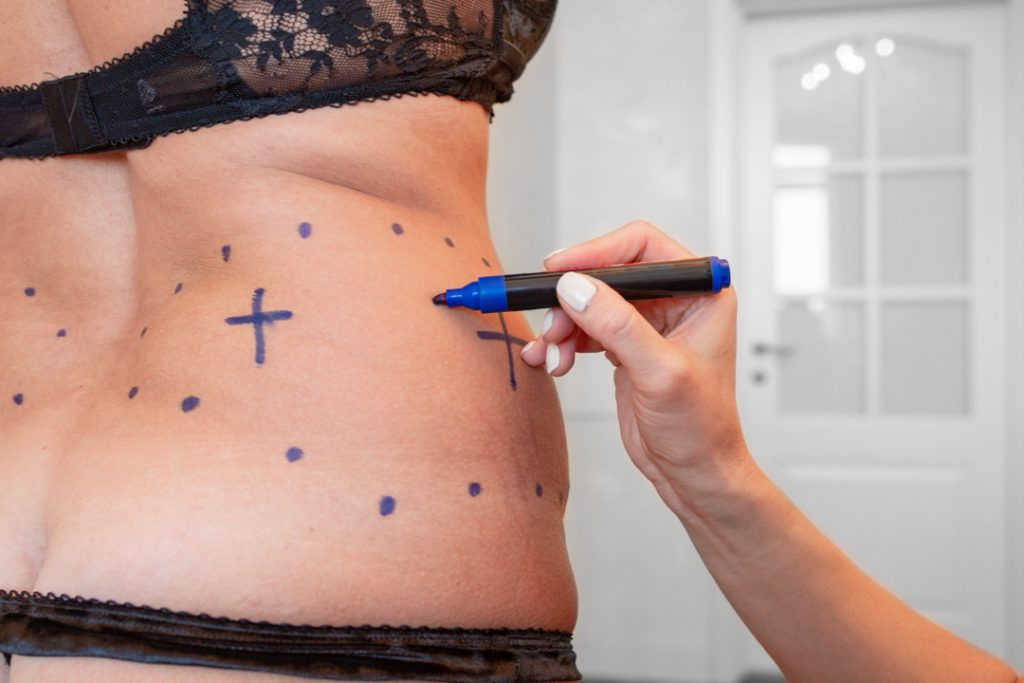
Body contouring has moved from a niche cosmetic service into a mainstream option for people who want more definition in specific areas of the body. https://josuejznt903.urbanvellum.com/posts/body-contouring-farmington-hills-key-benefits-of-non-invasive-services In Farmington Hills, that shift has been especially noticeable. Patients are not only more aware of non-surgical and surgical sculpting options, they are also more selective about where they go, how treatments are performed, and what kind of results are realistic.
The popularity of Body Contouring Farmington Hills is not driven by a single trend. It comes from a mix of practical factors: access to experienced providers, strong demand from patients who already live healthy lifestyles, and a broader understanding that stubborn fat and loose skin do not always respond to diet and exercise alone. People are no longer treating body contouring as an impulsive cosmetic splurge. More often, they see it as a targeted, planned investment in comfort, confidence, and proportion.
That distinction matters. The best outcomes usually come from people who are not looking for a miracle. They want refinement, not reinvention. They have often spent months, sometimes years, trying to improve a certain area on their own. Then they reach a point where effort is no longer the problem. Biology is.
Why sculpting appeals to real patients, not just image-conscious ones
There is a persistent misconception that body contouring is mostly for vanity. In practice, the reasons people pursue it are often far more grounded. A patient may be close to their goal weight but still carry fullness under the chin, around the lower abdomen, or along the flanks. Another may have lost a significant amount of weight and feel frustrated that loose skin makes their progress harder to see. A new mother may feel healthy and strong again but notice lasting changes in the waistline or lower stomach that exercise has not corrected.
These are not trivial concerns. They affect how clothing fits, how people carry themselves, and how they feel in social and professional settings. When a person sees one or two areas that seem out of proportion with the rest of their body, it can overshadow progress elsewhere. That is one reason body contouring remains so attractive. It addresses the gap between overall health and visible shape.
In communities like Farmington Hills, where many residents balance demanding careers, family life, fitness routines, and active social calendars, treatments that offer focused improvement have obvious appeal. Patients are often short on time and clear about their priorities. They do not want a vague promise. They want to know whether a treatment can reduce fullness in the bra line, sharpen the jawline, smooth the lower abdomen, or improve contour after weight loss.
Farmington Hills patients tend to be well informed
One reason Body Contouring Farmington Hills stands out is the level of patient education. People usually arrive with strong baseline knowledge. They have read about cryolipolysis, radiofrequency tightening, liposuction, injectable fat reduction, or muscle-toning devices. They know enough to ask useful questions, which is a good thing.
An informed patient is often easier to guide because the conversation can move beyond marketing language and into specifics. How much fat is being treated. Whether skin elasticity is good enough for a non-surgical option. How many sessions are likely. Whether the issue is truly fat, or if the larger concern is skin laxity. Those details determine whether a treatment succeeds or disappoints.
Experienced providers appreciate that kind of dialogue because body contouring is highly individualized. Two people can have the same complaint, such as “my stomach won’t flatten,” but need completely different recommendations. One may have a small pocket of subcutaneous fat and good skin tone, making them a strong candidate for a non-invasive device. Another may have stretched skin or weakened abdominal tissues, in which case fat reduction alone will not create the result they expect.
That level of nuance is part of why some local practices develop loyal followings. Patients are looking for honest assessment, not a one-size-fits-all treatment package.
The area attracts people who want subtle, believable results
A major shift in aesthetic medicine over the last decade has been the move away from dramatic change. Most body contouring patients do not want to look “done.” They want to look like themselves, only more balanced and more polished. That preference aligns well with body contouring in general, especially non-surgical approaches.
The best sculpting results tend to look natural because they work with the body’s existing structure. A waist appears cleaner. A lower abdomen looks less heavy. The upper arms fit more comfortably in tailored sleeves. The jawline looks more defined in profile. Friends may notice that a person looks fitter or more refreshed, even if they cannot identify exactly what changed.
That kind of subtle improvement often suits the professional environment in and around Farmington Hills. Many patients want enough visible change to feel better in their clothes and in photos, but not so much that it becomes the subject of office conversation. Discretion still matters. Treatments with little downtime and gradual results fit that preference well.
Non-surgical options have expanded the audience
A decade ago, many people who wanted body sculpting assumed surgery was the only meaningful path. That is no longer true. While surgery remains the right answer for certain patients, non-surgical body contouring has greatly broadened access.
Today, treatments can target localized fat, mild to moderate skin laxity, and even muscle stimulation without incisions. The appeal is easy to understand. A patient can come in for a session, return to work, and avoid the recovery period associated with surgery. That does not mean non-surgical treatments are effortless or universally effective, but it does mean they fit more lifestyles.
This is particularly relevant for adults in their thirties, forties, and fifties who are juggling careers and family obligations. They may not be able to schedule a week or two away from daily responsibilities. A treatment that causes temporary redness, swelling, or soreness but does not require formal downtime can feel far more realistic.
At the same time, good providers are careful not to oversell convenience. Non-surgical does not automatically mean better. It means different. Results may be milder. Multiple sessions may be needed. Patience is often required, since changes can develop gradually over several weeks or months. Patients who understand that tend to be happiest with their outcomes.
The strongest candidates usually have one thing in common
Body contouring works best when it is used for sculpting, not for major weight loss. That may sound obvious, but it is one of the most important distinctions in this field.
A person near a stable, maintainable weight often sees the clearest improvement. Their provider can isolate a resistant area and treat it with a more predictable expectation of how the surrounding body will look. When weight is fluctuating significantly, it becomes harder to judge contour and harder to maintain a result.
That is why many consultations involve a frank discussion about timing. If someone plans to lose another thirty pounds, it may make sense to wait. If a patient has just had a baby and is still seeing changes in their body, delaying treatment may be wiser. On the other hand, if a person has maintained the same general weight for six months or longer and is bothered by a specific area, contouring may be well timed.
Providers who take this measured approach generally build more trust. Patients can sense the difference between a thoughtful recommendation and a rushed sale.
Common goals patients bring into consultation
The concerns discussed in body contouring consultations are remarkably consistent, even though every body is different. A provider in Farmington Hills will often hear patients describe some variation of the same few frustrations:
- fullness in the lower abdomen or flanks despite regular exercise
- soft tissue under the chin that affects profile definition
- stubborn fat around the upper arms, back, or bra line
- mild skin laxity after weight loss or pregnancy
- asymmetry or imbalance between one area and the rest of the body
Those concerns seem simple on the surface, but each one can have different causes. Lower abdominal fullness might be fat, loose skin, posture, abdominal wall changes, or some combination. A double chin may respond well to targeted fat reduction, but if skin quality is poor, tightening may need to be part of the plan. This is where expertise matters most. The treatment is only as good as the diagnosis.
Why local reputation matters more than flashy branding
In aesthetic medicine, polished marketing can be misleading. Beautiful before-and-after galleries, modern offices, and package deals may attract interest, but they should never be the deciding factor. What tends to matter more in Farmington Hills is local reputation.
People talk. They compare notes with friends, coworkers, gym members, and family. They remember whether a provider explained trade-offs honestly, whether the office respected their time, and whether the final result matched the consultation. In communities where word of mouth carries weight, trust becomes a real differentiator.
That matters especially for body contouring because the category includes such a wide range of treatments. Devices can sound impressive, but the same device can produce very different patient experiences depending on candidate selection, treatment planning, and follow-up. A strong practice does not rely on equipment alone. It relies on judgment.
I have seen a pattern repeated often in cosmetic medicine. Patients are willing to pay more, travel farther, and wait longer for an appointment if they believe the provider will tell them the truth. If a treatment is unlikely to help, they want to hear that early. If a result will be modest, they want that expectation set clearly. Honest restraint is often a sign of quality.
Surgical and non-surgical options serve different needs
Some of the popularity of Body Contouring Farmington Hills comes from the fact that patients can often choose between different levels of intervention. That flexibility is valuable. Not everyone wants surgery, and not everyone is a good candidate for non-invasive treatment.
A practical comparison helps:
- non-surgical contouring tends to suit small to moderate pockets of fat, mild laxity, and patients who prefer minimal downtime
- surgical contouring usually suits larger corrections, more significant skin excess, or patients seeking a stronger, faster change
- non-surgical treatment often requires multiple sessions and patience
- surgical treatment usually involves a bigger upfront recovery but may deliver a more dramatic improvement
- both approaches depend on stable weight and realistic expectations
The right option depends less on what is trending and more on anatomy, timeline, and desired outcome. A person who wants a subtle refinement before an upcoming event may lean one way. Someone who has lost a large amount of weight and wants a major reshaping may need something else entirely.
Skin quality is the hidden variable many patients overlook
When patients think about contour, they usually think about fat. In many cases, skin is just as important. Tight, resilient skin can contract and drape attractively after volume is reduced. Skin with reduced elasticity may not.
This is one of the biggest reasons that two people with similar body weight can see very different outcomes from the same treatment. Age plays a role, but so do genetics, sun exposure, pregnancy history, prior weight gain and loss, and basic connective tissue quality. A fit, disciplined patient may still have skin laxity that limits what non-surgical sculpting can achieve.
Good consultations address this early. If a patient wants a flatter stomach but the real limiting factor is loose skin, reducing fat alone may not satisfy them. The same is true under the chin, on the arms, and around the knees. Providers who speak plainly about skin quality tend to prevent disappointment later.
Convenience has made a difference, but so has recovery planning
People often mention convenience as a reason they explore body contouring, but convenience is broader than treatment time. It includes scheduling, comfort during the procedure, aftercare, and how quickly a person can return to normal life.
For a busy professional, a treatment that takes less than an hour and requires little interruption may be ideal. For a parent managing school drop-offs, sports schedules, and work calls, predictability matters more than speed. They want to know whether they will be sore that evening, whether compression garments are needed, and whether a workout must be skipped.
That sort of practical planning can be the difference between a smooth experience and a stressful one. In stronger practices, staff members explain recovery in plain language. They do not just say “minimal downtime.” They describe what minimal downtime actually looks like. Mild tenderness for a few days. Temporary swelling. Numbness that lingers longer than expected. Delayed visible improvement. These are normal details, but they should be explained before treatment, not after.
The emotional side is real, even when patients downplay it
Many people talk about body contouring in practical terms, but there is often an emotional layer underneath. They may say they simply want their clothes to fit better, and that is true. They may say they are bothered by one angle in photographs, and that is also true. Yet those concerns often connect to deeper experiences, such as the frustration of losing weight without seeing proportional change, or the sense that their appearance no longer reflects the effort they put into caring for themselves.
A seasoned provider learns to listen for that subtext without exploiting it. Body contouring should never be sold as a cure for low self-esteem or major life dissatisfaction. It can, however, be a meaningful confidence boost when expectations are healthy. Patients often feel relief just from having a targeted option for a problem area that has resisted every reasonable attempt to improve it.
That emotional realism is part of why demand stays strong. People are not simply chasing trends. They are trying to resolve a long-standing mismatch between effort and outcome.
What smart patients ask before committing
The best consultations are collaborative. Patients should feel comfortable asking direct questions, and providers should welcome them. The most useful questions tend to focus on fit, realism, and experience rather than hype.
A patient is wise to ask how the provider determines candidacy, what results are typical for someone with similar anatomy, how many sessions are common, what side effects occur most often, and what happens if the treatment underdelivers. Those questions reveal a lot about how the practice operates. Clear, specific answers are a good sign. Evasive or overly enthusiastic answers are not.
There is also value in asking what the treatment will not do. That one question can be more revealing than any promotional claim. It shifts the conversation from idealized outcomes to practical limitations, which is where good decisions are made.
Why the popularity is likely to continue
Body contouring has staying power because it sits at the intersection of aesthetics, wellness, and practicality. People are living longer, staying active later, and paying closer attention to how they feel in their bodies. They are also less interested in broad cosmetic promises and more interested in targeted improvements with a clear purpose.
Farmington Hills is well positioned for that demand. The patient base tends to be discerning, the expectations tend to be grounded, and the appeal of subtle enhancement remains strong. Whether someone is exploring a non-surgical approach for a small area or considering a more comprehensive reshaping after weight loss, the interest usually comes from a realistic place. They are not trying to become someone else. They are trying to align the mirror with the effort they already put into their health.
That is the real reason Body Contouring Farmington Hills continues to attract attention. It offers a practical answer to a common problem: the body does not always change evenly, even when a person is doing many things right. For the right candidate, with the right treatment plan and the right provider, contouring can bridge that gap with impressive precision. It is not magic, and it is not for everyone. But when used thoughtfully, it can be one of the more satisfying forms of aesthetic treatment because the goal is so clear and the improvement, though often subtle, is deeply personal.
Aesthetic Plastic Surgery & Laser Center, Michelle Hardaway M.D.
Address: 27920 Orchard Lake Rd, Farmington Hills, MI 48334
Phone number: +12482211957
FAQ About Body Contouring Farmington Hills
What does body contouring actually do?
Body contouring (or body sculpting) eliminates stubborn localized fat, tightens loose, sagging skin, and reshapes your silhouette. It is not a weight-loss tool, but rather a cosmetic procedure used to refine and tone specific trouble spots after major weight loss, pregnancy, or aging.
How much does body contouring usually cost?
The total cost of body contouring usually ranges from $2,000 to $25,000+ depending entirely on whether you choose non-surgical sessions or major surgical procedures.
Because "body contouring" covers everything from simple fat-freezing to comprehensive post-weight-loss surgeries, pricing is heavily categorized by the method used.
What is the best type of body contouring?
Liposuction is a huge topic and worth discussing in more detail, but in terms of body contouring and sculpting, nothing does the job better than liposuction, particularly VASER liposuction.